
Why Buyers Notice Every Flaw in a Vacant Home

It's a common misconception among sellers: "The house is empty, so buyers can picture themselves living here."

It sounds reasonable—but in reality, that's rarely how buyers experience a vacant home.
Instead of imagining where their furniture will go or dreaming about future memories, buyers often become hyper-focused on everything that feels unfinished, outdated, or imperfect. Small cosmetic issues suddenly seem much larger, room sizes become difficult to judge, and the home can feel less inviting than it actually is.
This isn't because buyers are overly critical. It's because of how our brains naturally process empty spaces.
Understanding this psychology helps explain why professionally staged homes consistently make stronger first impressions and often perform better on the market.
Empty Rooms Leave Buyers Searching for Answers
When buyers enter a furnished home, their attention is naturally guided. A thoughtfully arranged living room tells them where conversations happen. A beautifully styled dining room helps them imagine hosting holidays. A welcoming primary bedroom creates a sense of comfort and retreat.
Furniture gives every room a purpose.
When those visual cues are missing, buyers subconsciously begin asking questions instead.
"Is this room actually big enough?"
"What would fit here?"
"Why does this space feel awkward?"
Rather than appreciating the home's best features, they're busy trying to solve a puzzle. The more work buyers have to do mentally, the less emotionally connected they become.
The Brain Naturally Focuses on What's Wrong
There's another psychological effect at play. Our brains are wired to notice things that seem out of place.
In a furnished home, artwork, lighting, accessories, and furniture create balance throughout the room. Buyers' attention moves naturally from one attractive feature to another. In an empty home, there are far fewer places for the eye to rest.
Instead, buyers begin noticing:
Scuffed walls
Nail holes
Small drywall repairs
Worn flooring
Dated fixtures
Minor imperfections around trim and windows
Areas that may need fresh paint
Many of these are inexpensive cosmetic fixes, but without furniture to soften the space, they become much more noticeable.
Buyers Often Overestimate the Cost of Improvements
One of the biggest challenges with vacant homes is that buyers rarely estimate repair costs accurately.
A seller might see a weekend paint project. A buyer sees another expense after closing.
A seller sees a room that simply needs furniture. A buyer sees an awkward layout that may never work.
When buyers start mentally adding together paint, flooring, lighting, window coverings, furniture, and décor, the total feels overwhelming—even if much of that work is optional. That perception often affects what they're willing to offer.
Vacant Homes Can Feel Smaller—Not Larger
Many sellers believe empty rooms automatically look bigger. Sometimes the opposite happens. Without furniture to provide scale, buyers struggle to judge room dimensions.
Is the living room large enough for a sectional? Will a king bed fit comfortably? Can the dining room accommodate a table for eight?
Instead of confidently seeing the possibilities, buyers are left guessing. Professional staging removes that uncertainty by demonstrating exactly how the space functions.
Staging Gives Every Room a Purpose

One of the greatest advantages of staging is clarity. Instead of leaving buyers to imagine how a room might be used, staging answers the question immediately.
A bonus room becomes a home office.
An awkward nook becomes a reading area.
A finished basement becomes an entertainment space.
A spare bedroom becomes a welcoming guest suite.
When buyers understand how a home lives, they place more value on every square foot.
Buyers Purchase With Emotion First
Although buying a home involves budgets, inspections, and negotiations, the decision often begins with emotion. People don't simply buy bedrooms and bathrooms. They buy the feeling of relaxing in the living room after work. They picture family dinners around the table. They imagine holiday gatherings, movie nights, birthdays, and everyday moments.
Vacant homes make it much harder to create those emotional connections. Professionally staged homes help buyers experience the lifestyle the home offers before they've even unpacked a single box.
First Impressions Shape the Entire Showing
Most buyers begin forming opinions within the first few moments of walking through the front door. If the home immediately feels cold, empty, or like it needs work, that impression often carries throughout the rest of the showing.
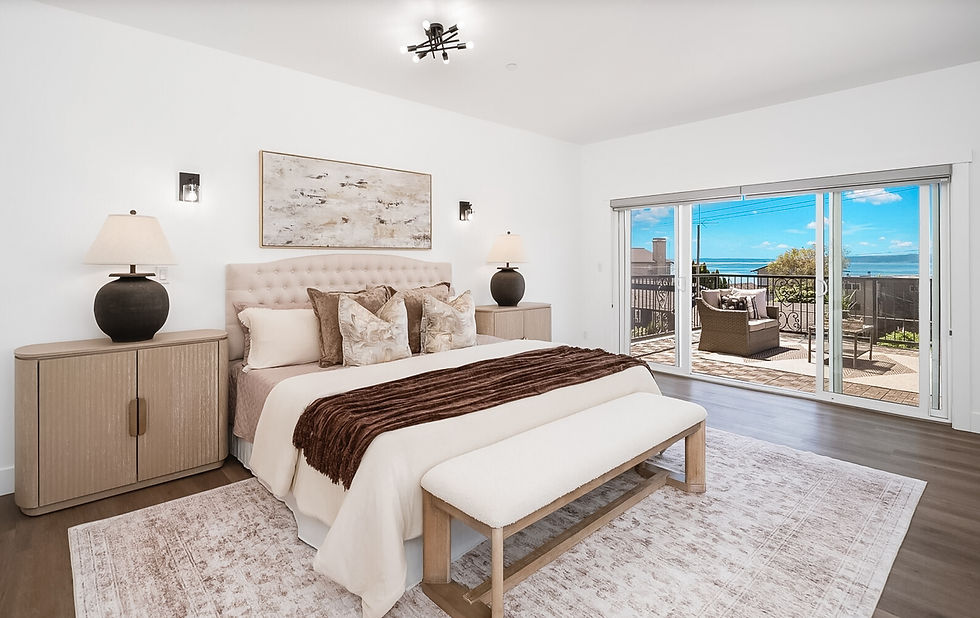
On the other hand, when buyers walk into a beautifully staged home, they're more likely to view the property as well-maintained, move-in ready, and worth its asking price.
That's the power of presentation.
The Bottom Line
Vacant homes don't just feel empty—they often invite buyers to focus on flaws instead of features.
Professional staging shifts that attention.
Instead of calculating repairs, buyers begin imagining their future. Instead of questioning room sizes, they see how every space can function. Instead of feeling uncertain, they feel at home.
At First Impressions Staging + Design, we don't simply fill empty rooms with furniture. We create spaces that help buyers connect emotionally, see the home's full potential, and remember it long after they've left the showing.

Because when buyers can picture a life in the home, they're far more likely to make an offer to call it their own.


Comments