
How We Decide What Furniture to Use in a Staging Project

When people walk into a beautifully staged home, the furniture can feel effortless — like everything simply fell into place. In reality, every piece has been chosen intentionally.
Expert home staging is much more than placing attractive furniture in a room. It’s a strategic process designed to highlight the home’s best features, define how spaces function, and help buyers immediately imagine themselves living there.

At First Impressions Staging + Design, furniture selection is one of the most important parts of every staging project. The goal isn’t to decorate the home for a specific personal style — it’s to present the property in a way that appeals to the broadest pool of buyers.
So how do we decide what furniture works best for each home? It starts with understanding the property itself.
It Starts With the Home’s Architecture
Every home has its own character. The architectural style, ceiling height, layout, and natural light all influence how a space should be staged.
A contemporary home with large windows and clean lines might benefit from streamlined furniture with simple silhouettes. A traditional home with detailed millwork and architectural charm may feel more balanced with softer shapes and warmer textures.
The goal is always to choose furnishings that complement the home rather than compete with it. When the design of the furniture works in harmony with the architecture, the entire space feels cohesive and intentional.
Instead of drawing attention to the furniture itself, the staging should highlight the home’s features — beautiful windows, open floor plans, fireplaces, and architectural details.
We Consider the Target Buyer
Another important factor in selecting furniture is thinking about who is most likely to purchase the home. Different types of homes naturally appeal to different buyers, and staging should help reinforce that lifestyle.

For example:
A suburban family home might emphasize comfortable gathering spaces and a welcoming dining area.
A stylish condo might showcase a clean, modern layout with a functional workspace.
A larger home may highlight entertaining areas and flexible spaces that can adapt to different needs.
When buyers walk through a home, they should immediately understand how the space fits into their lives. Furniture helps tell that story. Thoughtful staging allows buyers to envision everything from relaxing evenings in the living room to hosting friends and family in the dining area.
Scale Matters More Than People Realize
One of the most common challenges in home presentation is furniture scale. Oversized furniture can make a room feel smaller and more crowded than it actually is. On the other hand, furniture that’s too small can leave a room feeling unfinished or awkward.

Professional staging carefully considers the proportions of each space to ensure the layout feels balanced and functional.
For example, we may use:
A streamlined sofa instead of a large sectional
Chairs that create a conversation area without blocking walkways
Coffee tables that anchor the space without overwhelming it
Beds and nightstands that feel appropriately sized for the room
The goal is to show buyers exactly how the room can function while keeping the layout open and inviting. When furniture is scaled correctly, rooms often appear larger, brighter, and more comfortable.
Creating Flow Throughout the Home
Furniture selection isn’t just about individual rooms — it’s also about how the entire home feels as buyers move from one space to the next. A well-staged home should feel cohesive, even as each room serves a different purpose.

To create this sense of continuity, we often repeat certain design elements throughout the home. This might include complementary color palettes, similar wood tones, or coordinating textiles. For example, a neutral palette used in the living room may subtly continue into the bedrooms through artwork, pillows, or accent pieces.

These small design connections help the home feel thoughtfully curated rather than randomly furnished.
Highlighting the Most Important Spaces
While every room in a home matters, certain areas tend to have the biggest impact on buyers.
Living rooms, dining areas, primary bedrooms, and home offices are often key spaces that buyers focus on during showings.
Furniture in these areas is selected very intentionally to help define the purpose of the room and show how the layout works.

For example, staging might:
Create a conversation area in the living room
Define a dining space in an open floor plan
Highlight a quiet reading corner or workspace
Emphasize the comfort and scale of a primary bedroom
Clear room function helps buyers quickly understand how the home can support their lifestyle.
The Finishing Layer: Styling
Once the larger furniture pieces are in place, the final step is styling. Accessories like artwork, pillows, throws, and decorative objects bring warmth and personality to the space while still keeping the design neutral enough to appeal to a wide audience.
This final layer helps the home feel polished and complete — the difference between a room that looks simply furnished and one that feels thoughtfully designed.

It’s also where small details make a big impact. The right styling can help draw attention to key features, soften a space, and add just enough character to make the home memorable.
Why Furniture Selection Matters
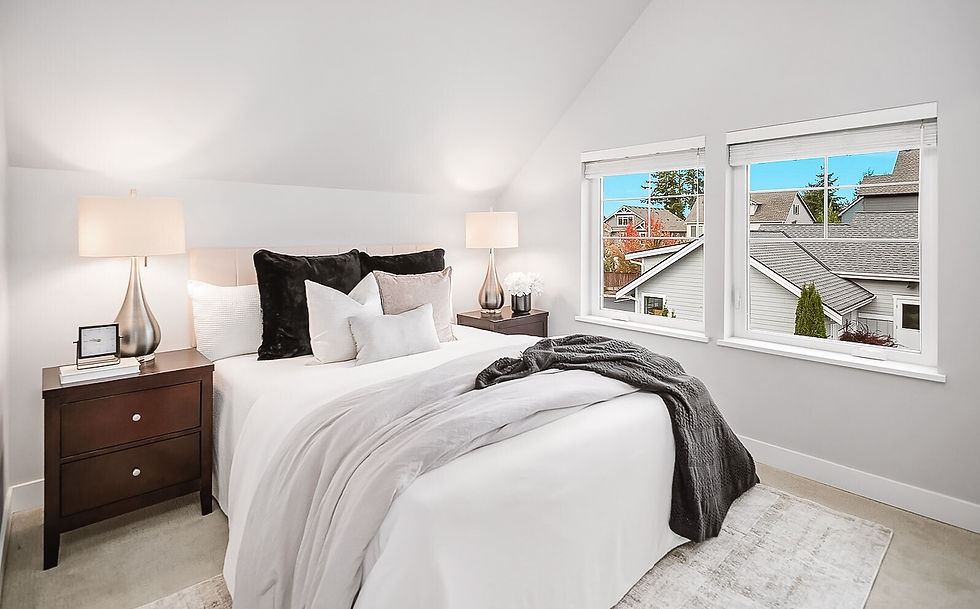
The furniture used in staging plays a powerful role in how buyers experience a home. When staging is done well, buyers aren’t focusing on the individual pieces. Instead, they’re imagining themselves living in the space — relaxing in the living room, hosting dinners, or starting their day in a peaceful bedroom.
That emotional connection is what helps homes stand out in listing photos, during showings, and in a competitive market.
Thoughtful staging helps a home feel inviting, functional, and ready for its next chapter.
If you're preparing to sell a home and want to make the strongest possible first impression, professional staging can make a meaningful difference.


Comments